Advancing carbon capture technologies to support industrial decarbonisation. Developing pathways for biomass-to-fuel, biomass-to-materials, plastic upcycling, and more carbon transformations to enable a circular carbon economy.
Explore Research
Hydrogen Utilisation
Enabling the effective utilisation of hydrogen and hydrogen-derived fuels across power generation, transportation, and industrial applications. The research focus includes fuel cells, hydrogen or ammonia combustion, and power system integrations.
Explore Research
Hydrogen Production
Advancing electrocatalytic and thermocatalytic pathways for green and low-carbon hydrogen production, focusing on improving efficiency, reducing emissions, and scalability.
Explore Research
Hydrogen Storage & Carriers
Developing safe and efficient materials for hydrogen storage and release. Improving the dehydrogenation efficiency of carriers such as ammonia and liquid organic hydrogen carriers (LOHCs).
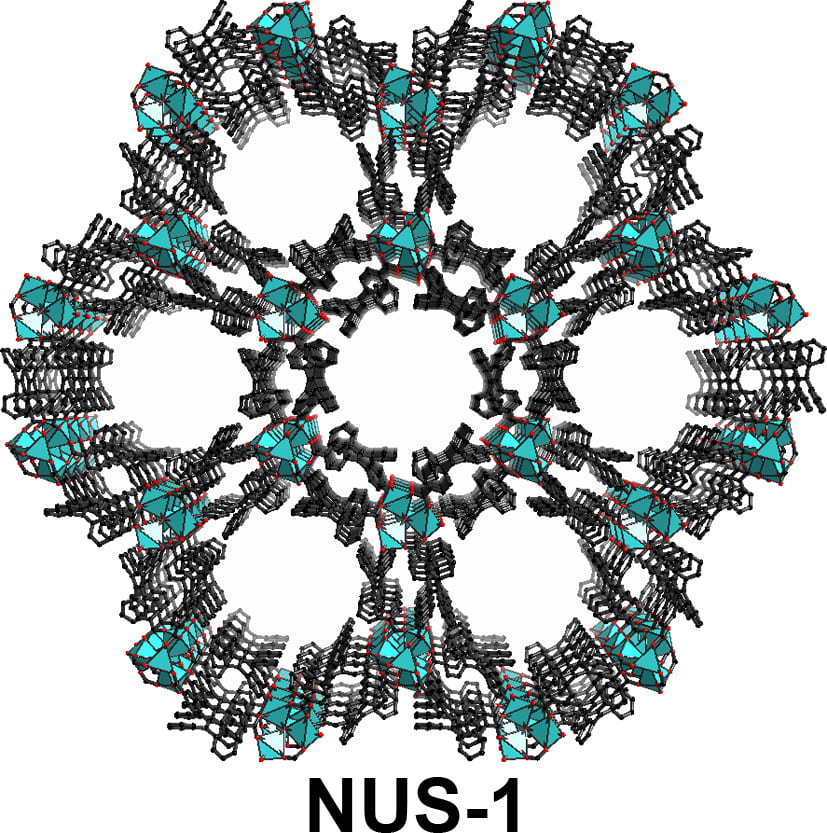
Developing a closed-loop carbon capture and utilisation platform that combines AI-guided MOF discovery, pilot-scale manufacturing, industrial CO₂ capture and concrete mineralisation to accelerate scalable decarbonisation.
Explore More
Next-Generation Ammonia Marine Engines
Hydrogen Utilisation
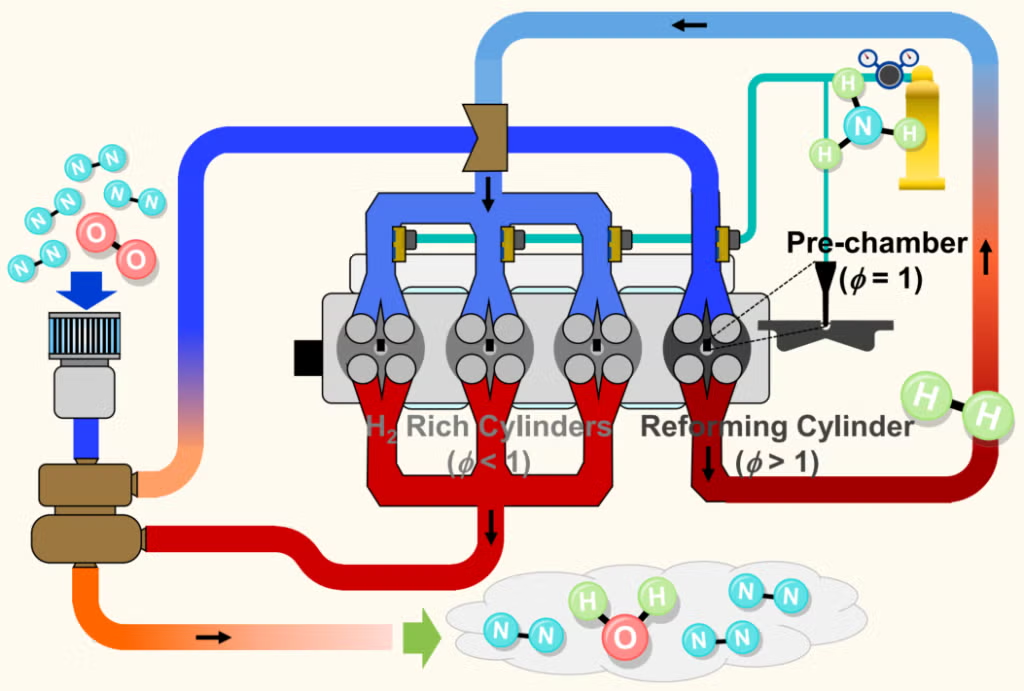
Developing next-generation ammonia marine engines powered by the innovative In-cylinder Reforming Gas Recirculation (IRGR) concept to enable high-efficiency, near-zero emission propulsion for the decarbonisation of global shipping.
Explore More
Integrated Ammonia Cracking & Gas Turbine System
Hydrogen Storage & Carriers
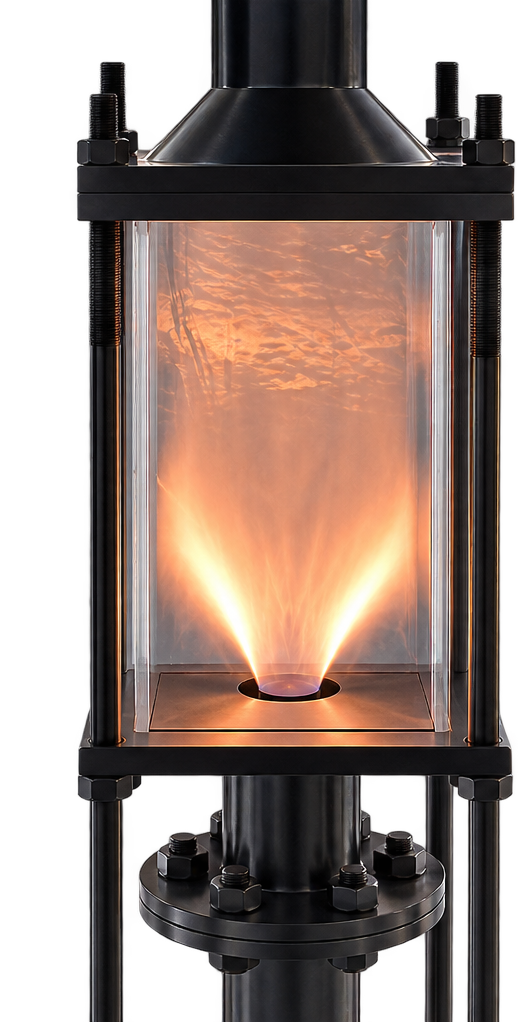
Developing an integrated ammonia cracking and gas turbine system that enhances combustion stability, reduces NOₓ emissions and maximises waste heat recovery, advancing scalable pathways for low-carbon power generation.
Explore More
Methane Pyrolysis for Clean Hydrogen & Carbon Nanotube Production
Hydrogen Production
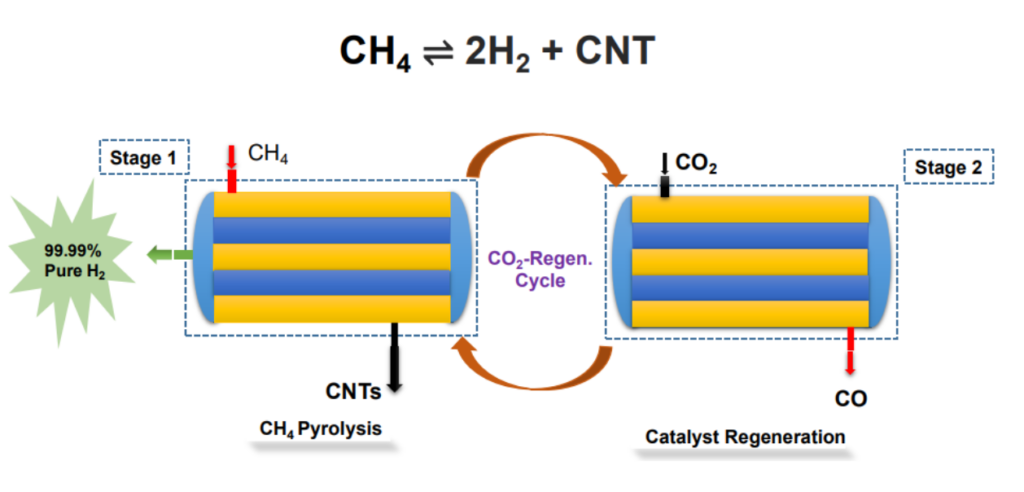
Developing a novel catalytic membrane reactor to convert methane into high-purity hydrogen and valuable carbon nanotubes, enabling scalable hydrogen production while minimising carbon emissions.