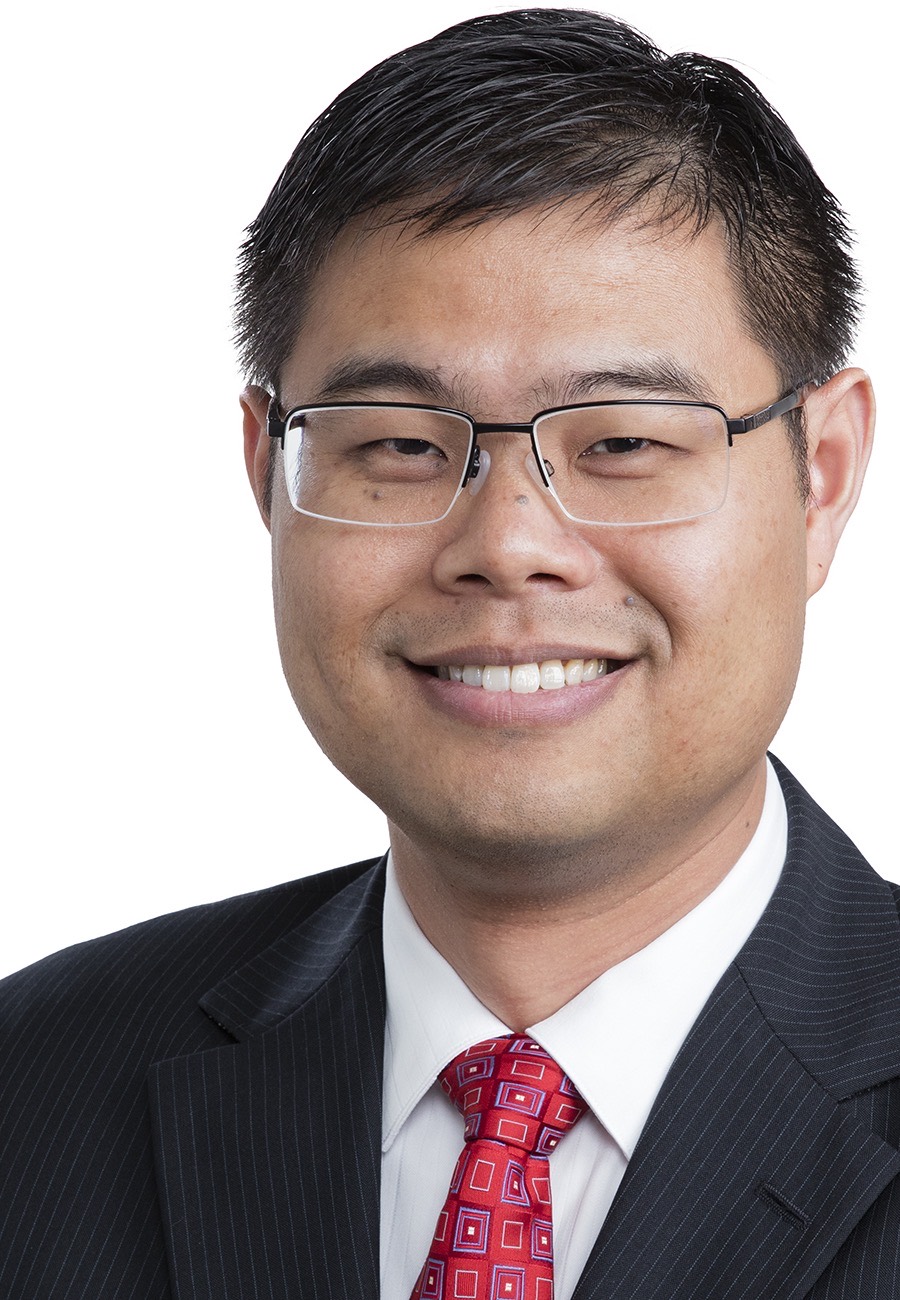
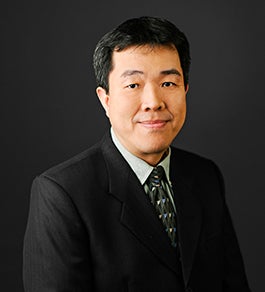
The NUS Centre for Hydrogen and Carbon Innovations (CHCI) is hosting two projects awarded funding under the Low Carbon Energy Research (LCER) Scale-up Grant. The projects are led by Prof Zhao Dan and A/Prof Sibudjing Kawi, both from the Department of Chemical and Biomolecular Engineering.
The awards were announced on 23 October 2026 at the inaugural Singapore Industry Decarbonisation Forum. They are two of five projects awarded a total of S$65 million by the Advanced Energy and Decarbonisation Office. Both teams were recipients of earlier LCER grants, and Prof Zhao Dan was also an awardee of the Third CHI Grant Call.
Prof Zhao Dan
A/Prof Sibudjing Kawi
Carbon capture, then a use for the carbon dioxide
Prof Zhao Dan’s team is developing metal-organic frameworks and other advanced porous materials to capture carbon dioxide from flue gas. In the earlier phase, the system was demonstrated on real flue gas at the Waste-to-Energy Research Facility. It captured around 400 kilogrammes of carbon dioxide a day, with close to 100 per cent recovery.
Under the scale-up grant, the researchers will build a system designed to capture 5 tonnes of carbon dioxide a day from a higher-concentration flue gas. A separate pilot at YTL PowerSeraya’s natural gas combined-cycle power plant will target 2 tonnes a day. The team will also explore carbon dioxide mineralisation for concrete, and is working with Chevron on industrial specifications and scale-up.
Hydrogen and solid carbon from methane
A/Prof Sibudjing Kawi’s team is developing a catalytic membrane reactor for methane pyrolysis, which splits methane into hydrogen and solid carbon. In the first phase, the reactor operated at about 500 to 600 degrees Celsius. The integrated system produced 500 litres of hydrogen a day, and a prototype was designed for up to 1 kilogramme of hydrogen and 3 kilogrammes of carbon nanotubes a day.
The pilot-scale system now aims to produce 100 kilogrammes of hydrogen and 300 kilogrammes of carbon nanotubes a day. With Siemens and PacificLight Power, the team plans to demonstrate the larger reactor at PacificLight Power’s existing gas-fired power plant.
CHCI is glad to see both projects move from the laboratory toward pilot operation. The National University of Singapore’s account of the awards is published here.