NUS CHCI Hosts Inaugural Industry Day, Marking a New Chapter for Hydrogen and Carbon Innovation
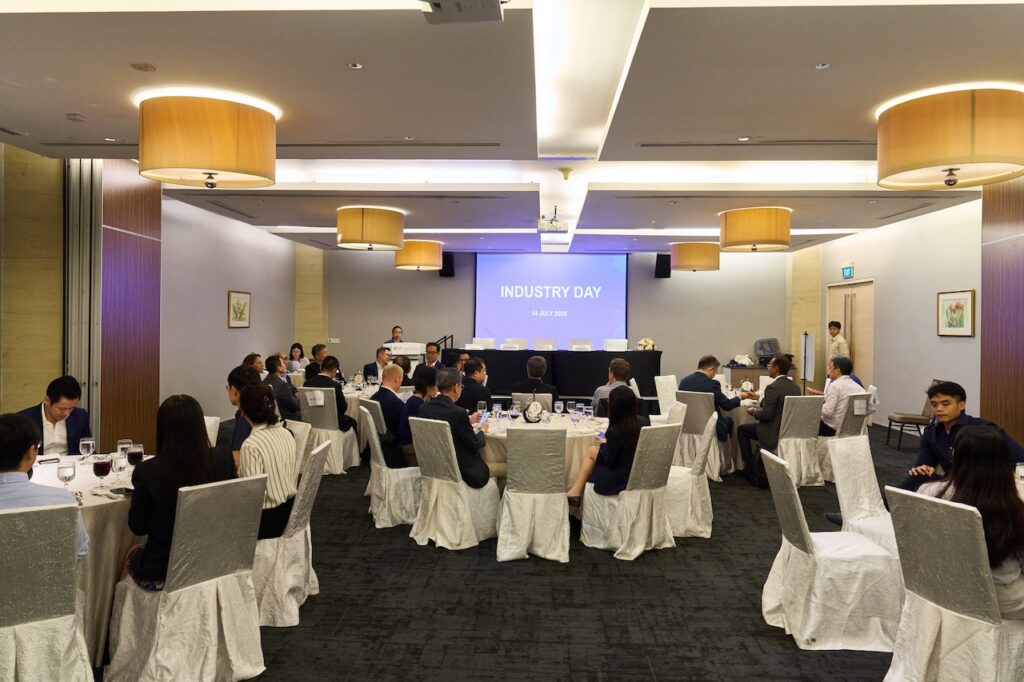
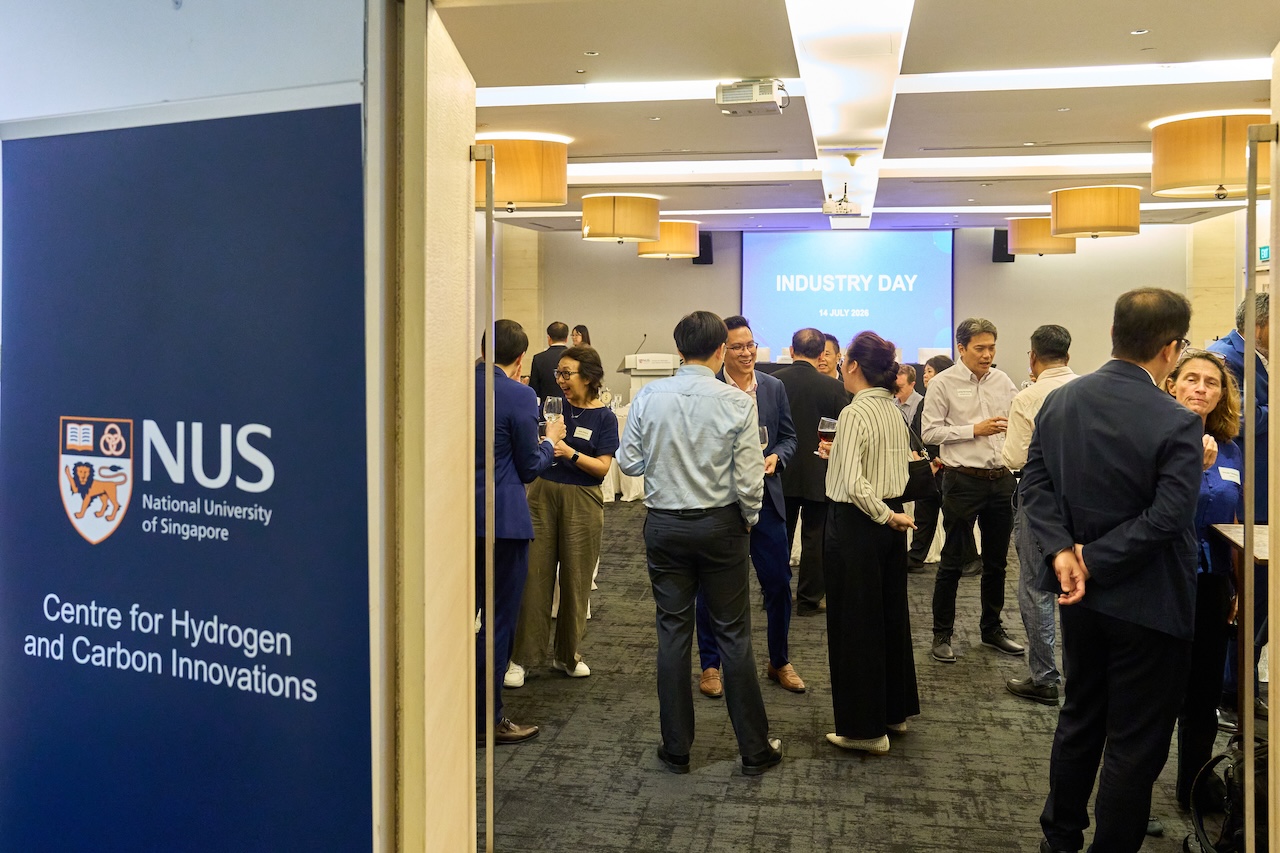
The NUS Centre for Hydrogen and Carbon Innovations (CHCI) welcomed leaders from academia, industry and government to its inaugural Industry Day on 14 July 2026, celebrating a significant milestone in the Centre’s journey while fostering meaningful dialogue and collaboration to advance decarbonisation.
The event marked the Centre’s official transition from the Centre for Hydrogen Innovations (CHI) to the Centre for Hydrogen and Carbon Innovations (CHCI), reflecting its expanded mission to advance both hydrogen and carbon innovations in support of Singapore’s low-carbon future. Bringing together researchers, policymakers, industry leaders and partners, Industry Day provided a platform to celebrate this new chapter while strengthening collaborations and exchanging perspectives on the opportunities and challenges shaping the global energy transition.
Opening a New Chapter
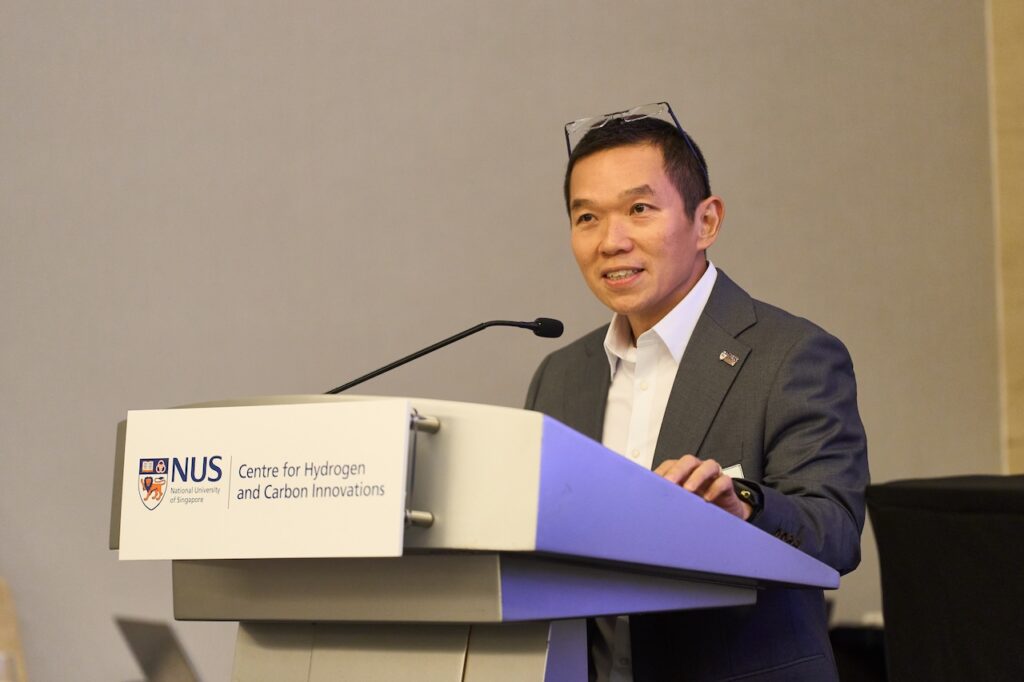
The evening commenced with opening remarks by Prof Koh Lian Pin, Vice President (Sustainability and Resilience) and Chief Sustainability Scientist at NUS. Reflecting on NUS’ commitment to sustainability, Prof Koh shared the vision behind the Centre’s expanded mandate, highlighting that while hydrogen will continue to play a critical role in the energy transition, achieving deep decarbonisation also requires advances in carbon capture, utilisation and circular carbon technologies. By bringing hydrogen and carbon innovations together, CHCI aims to become an interdisciplinary hub for research, innovation, talent development and industry collaboration.
Prof Koh Lian Pin (Vice President (Sustainability and Resilience) and Chief Sustainability Scientist, NUS).
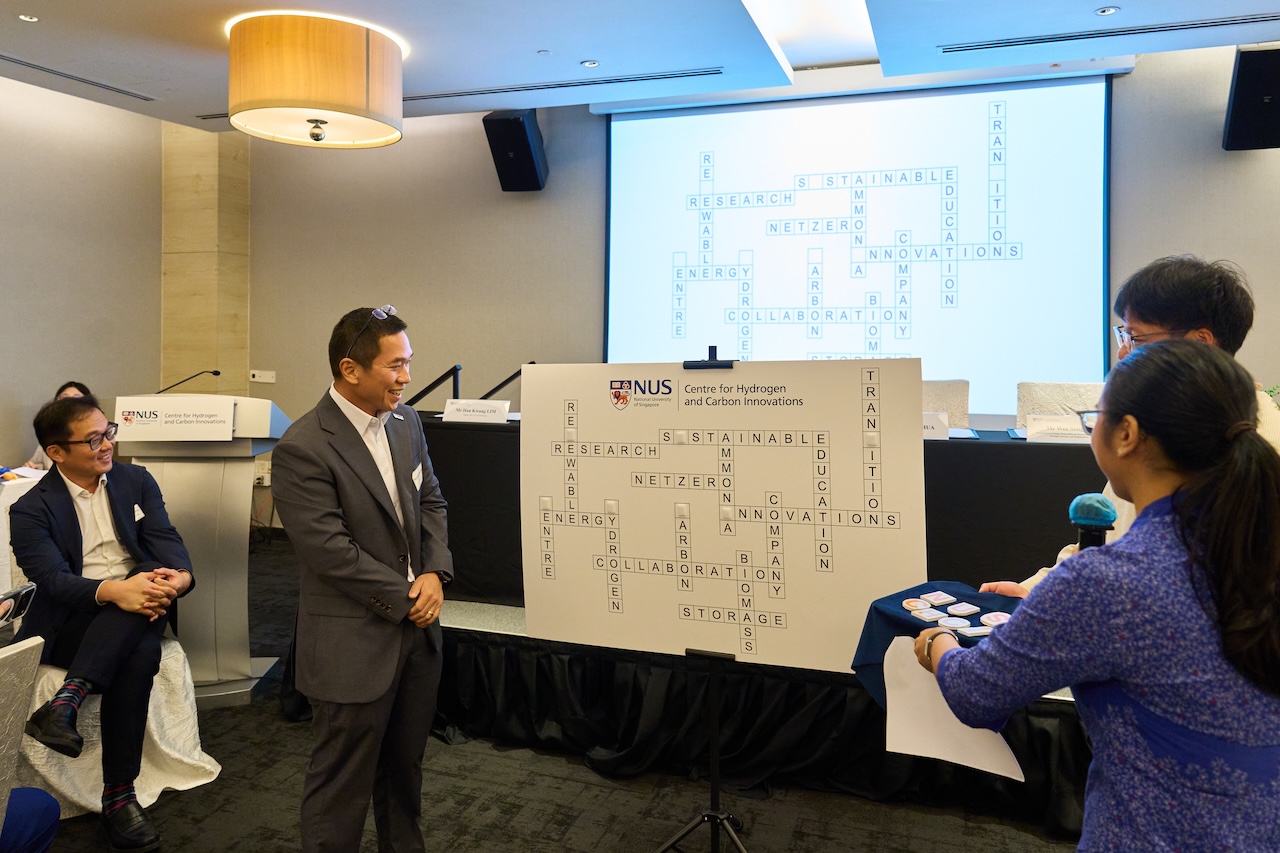
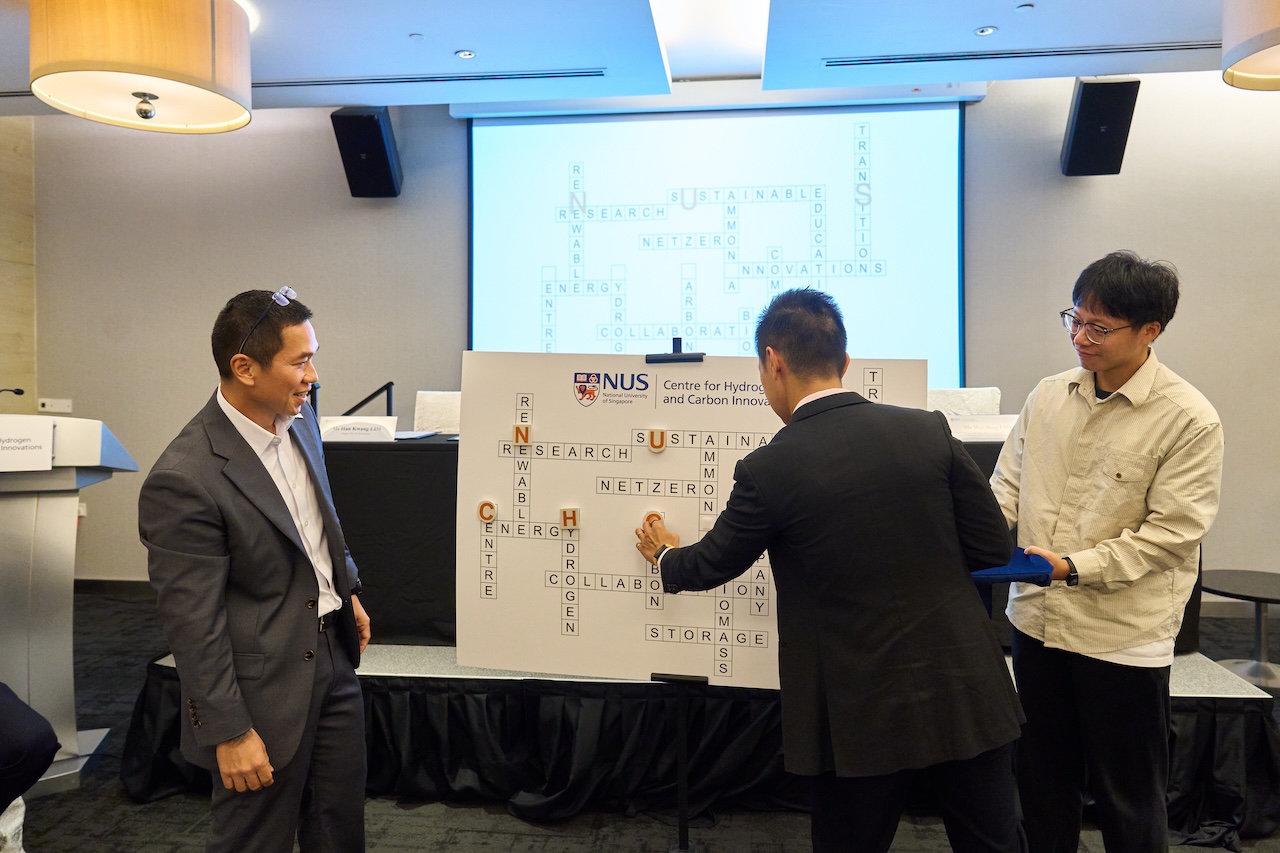
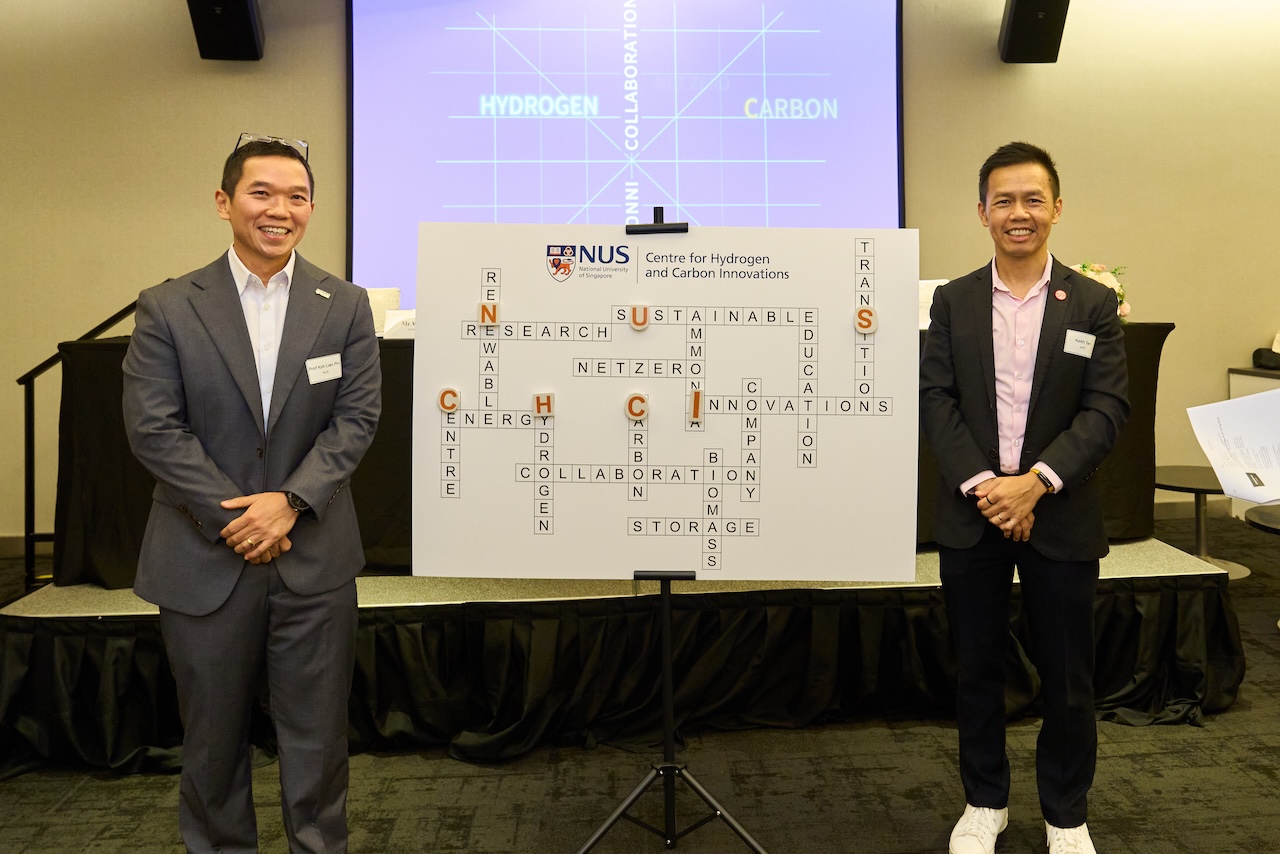
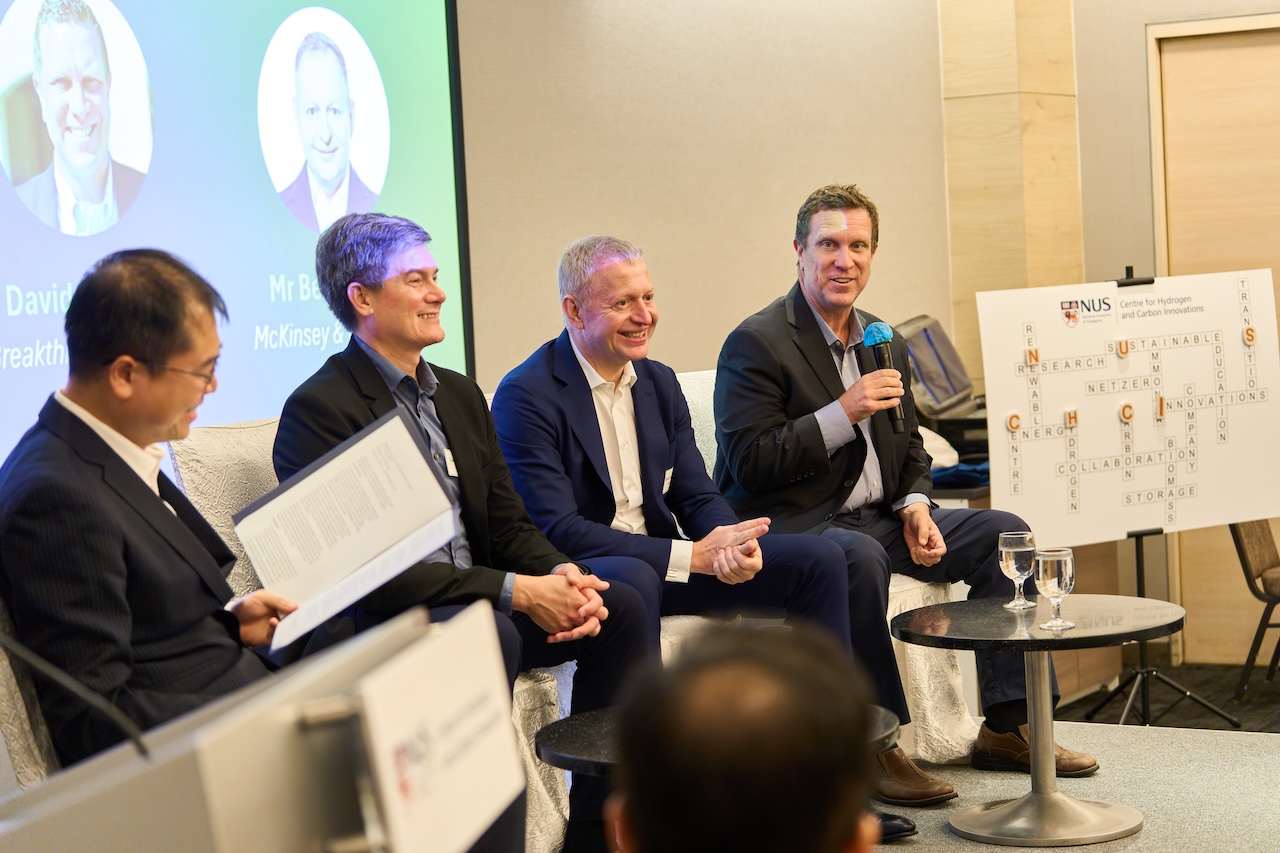
A memorable highlight of the evening followed as distinguished guests participated in an interactive crossword reveal, officially unveiling the Centre’s new identity as the NUS Centre for Hydrogen and Carbon Innovations (CHCI). The symbolic unveiling reflected the Centre’s expanded vision and reaffirmed its commitment to developing integrated decarbonisation solutions through interdisciplinary collaboration.
Strengthening Partnerships for Impact
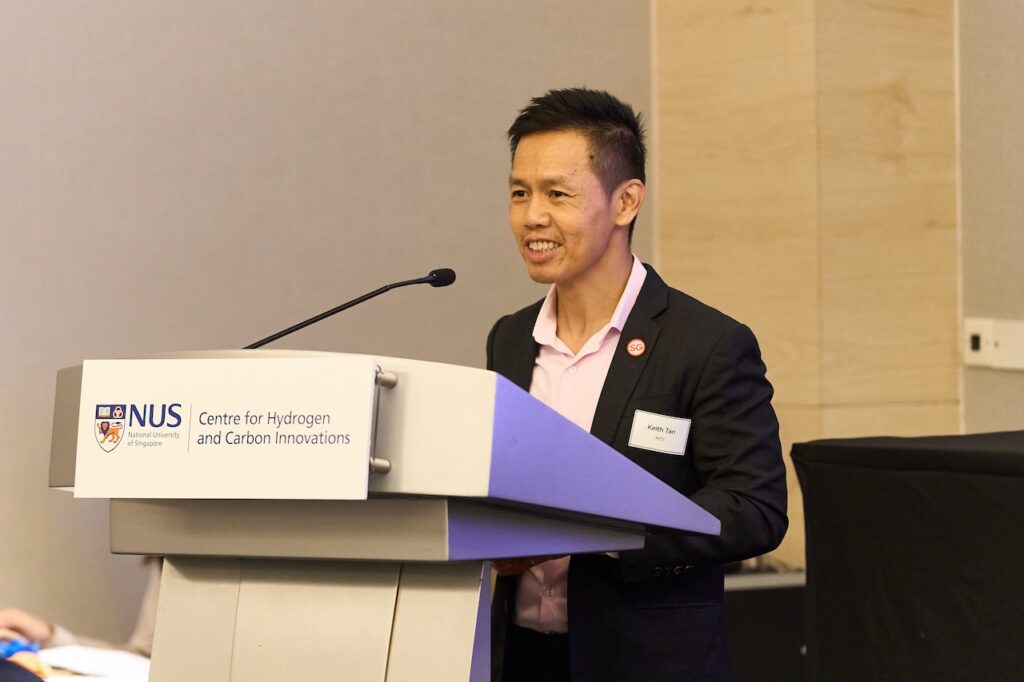
Following the unveiling, Mr Keith Tan, Deputy Secretary (Energy, Carbon and Corporate), Ministry of Trade and Industry, Singapore, delivered the Guest of Honour address. He emphasised the importance of strengthening collaboration between academia and industry, noting that scientific breakthroughs must be complemented by industry engagement from the early stages of research to ensure technologies can be translated into practical, commercially viable solutions. He also highlighted Singapore’s continued support for low-carbon innovation through initiatives such as the Decarbonisation Grand Challenge (DGC) and Singapore Pilots for Energy and Enterprise Decarbonisation (SPEED).
Mr Keith Tan (Deputy Secretary (Energy, Carbon and Corporate), Ministry of Trade and Industry Singapore).
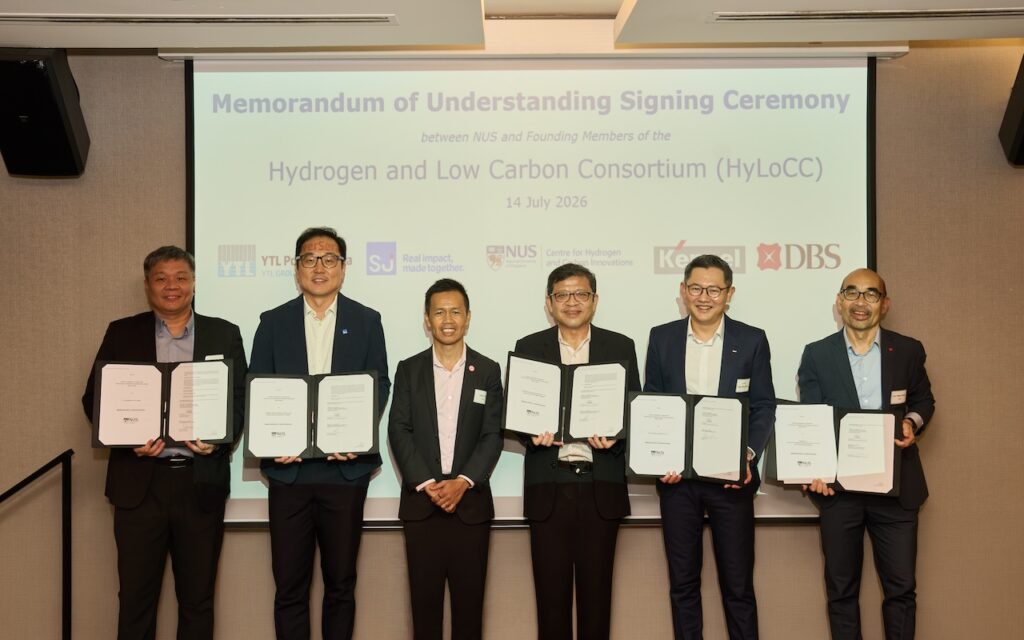
A major highlight of Industry Day was the official launch of the Hydrogen and Low-Carbon Consortium (HyLoCC). Witnessed by Mr Keith Tan, representatives from the consortium’s Founding Members — DBS, Keppel, Surbana Jurong and YTL PowerSeraya — joined NUS in a commemorative Memorandum of Understanding (MoU) ceremony, marking the beginning of a new platform for collaboration between academia and industry.
From left: Mr Lim Han Kwang, Deputy CEO, YTL PowerSeraya; Mr Tan Wooi Leong, Senior Executive Director, Surbana Jurong; Mr Keith Tan, Deputy Secretary (Energy, Carbon and Corporate), Ministry of Trade and Industry Singapore; Mr George Loh, Associate Vice President (Strategic Partnerships), NUS; Mr Chua Yong Hwee, Director, Keppel Energy Ventures; and Mr Lim Wee Seng, Group Head of Energy, Renewables & Infrastructure, Project Finance, Strategic Advisory and Sustainability, DBS, at the launch of HyLoCC.
Through HyLoCC, CHCI aims to strengthen industry partnerships, accelerate research translation, nurture talent, and support the development and deployment of hydrogen and low-carbon technologies. The consortium represents a shared commitment to transforming promising research into practical solutions that contribute to a more sustainable future.
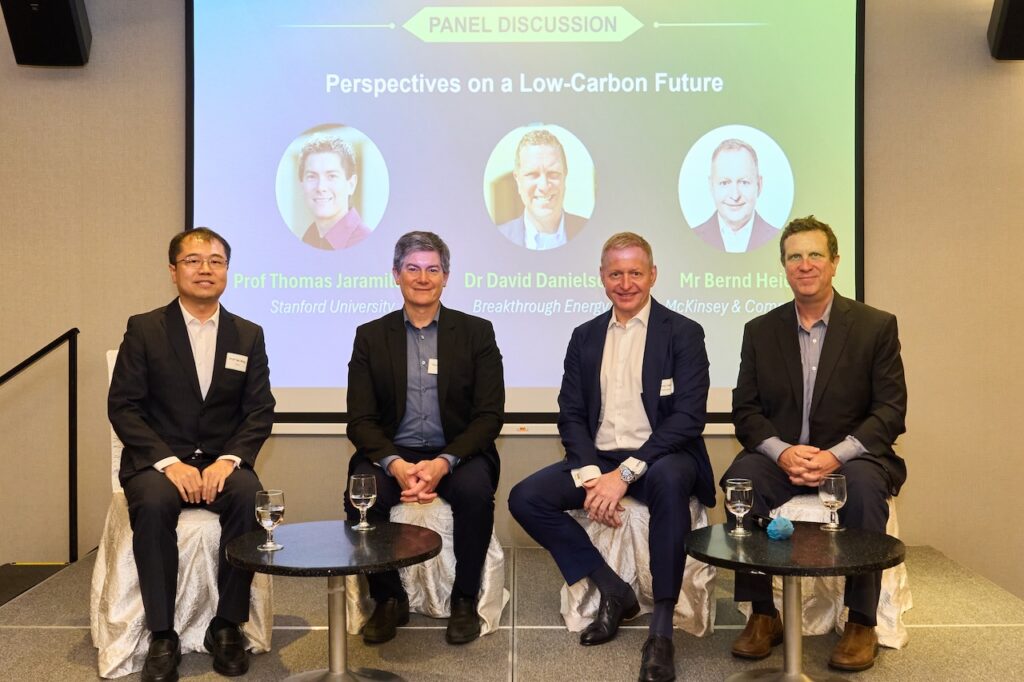
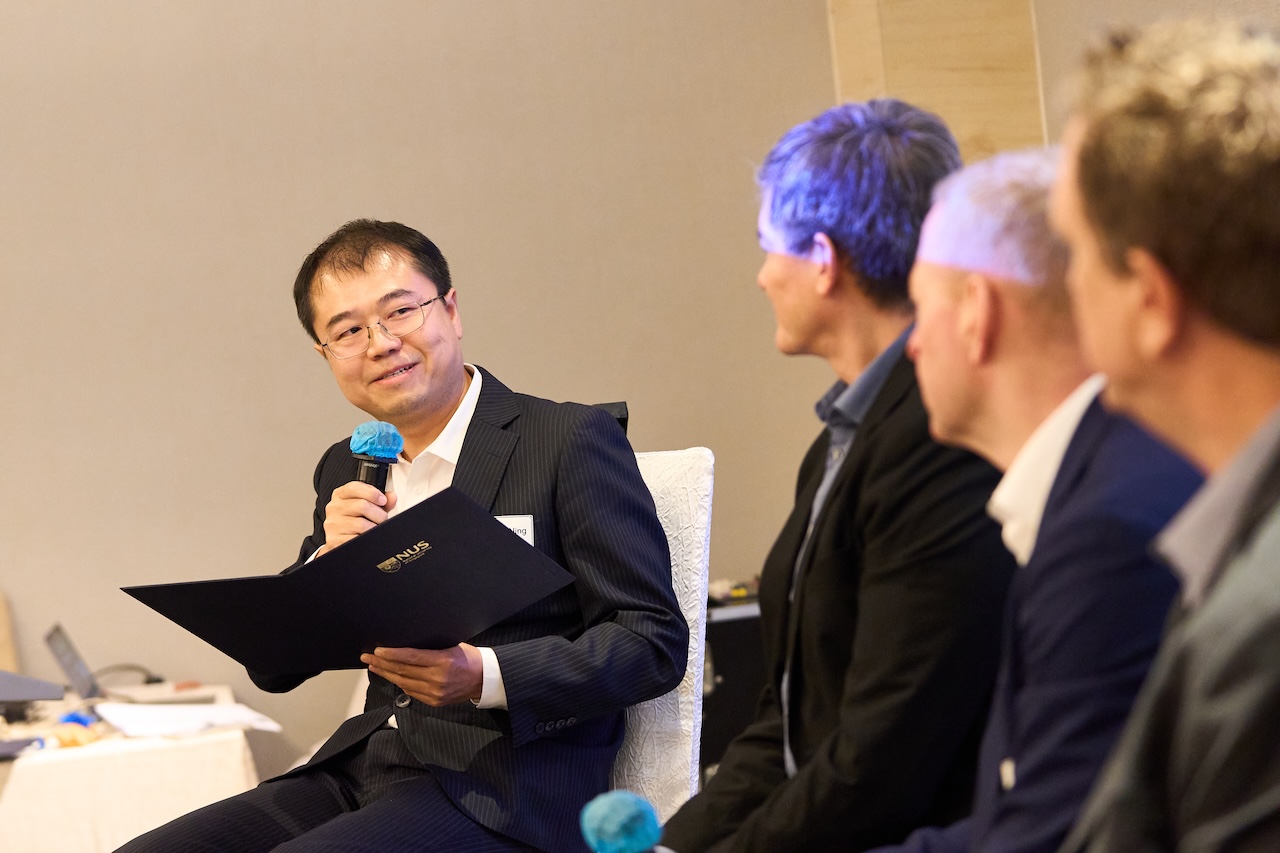
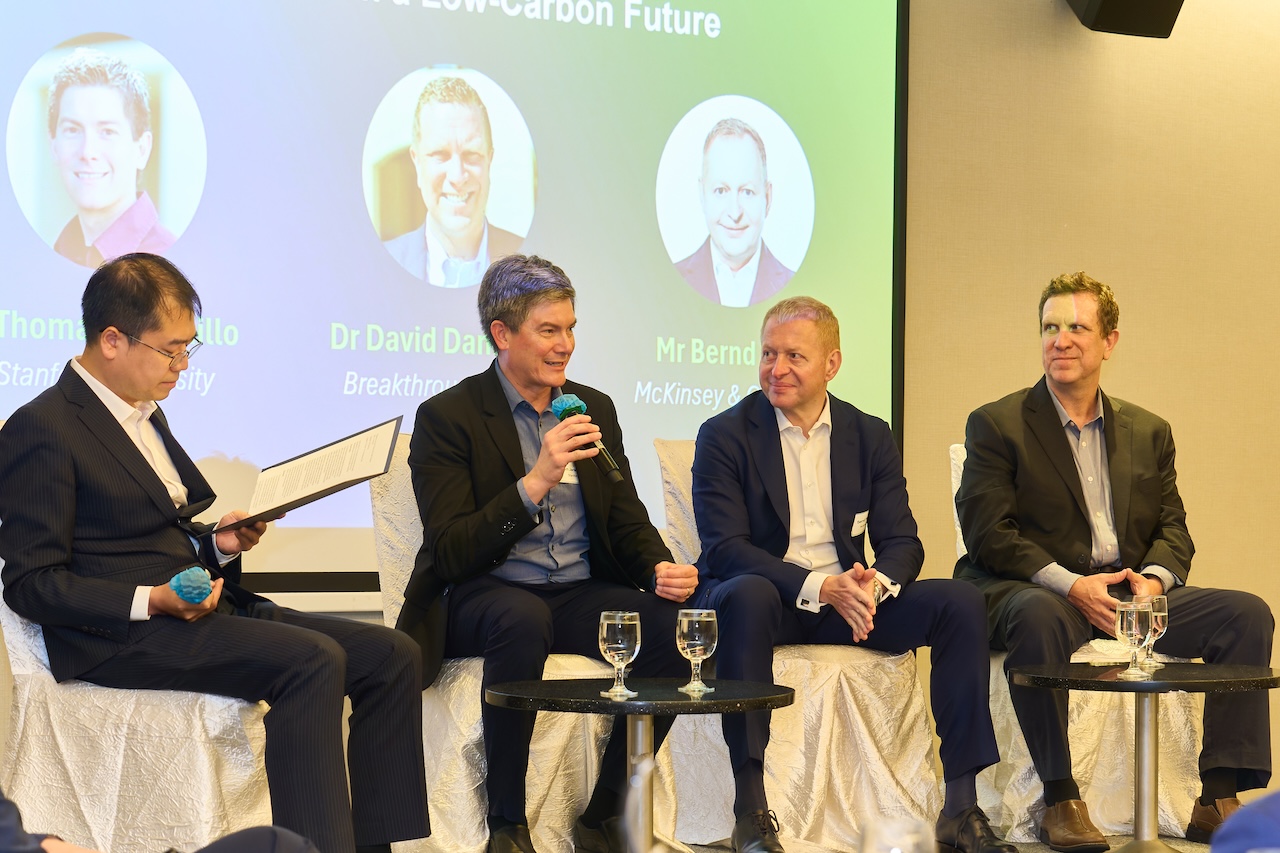
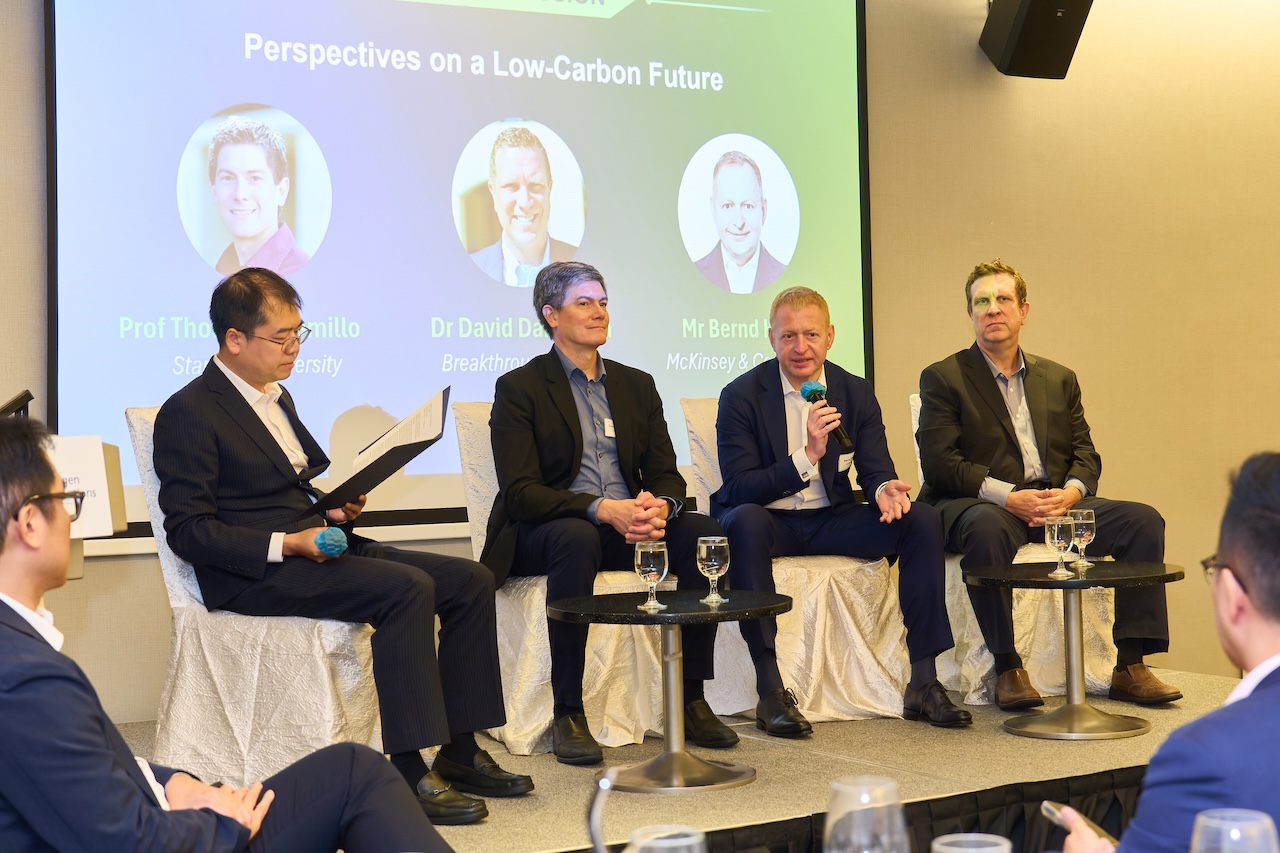
The evening concluded with a panel discussion titled Perspectives on a Low Carbon Future, moderated by Prof Yan Ning, Director of NUS CHCI. Joining him were Prof Thomas Jaramillo from Stanford University, Dr David Danielson from Breakthrough Energy, and Mr Bernd Heid from McKinsey & Company, who brought perspectives from academia, venture investment and industry to an engaging discussion on the evolving decarbonisation landscape.
The panellists explored how emerging trends — including AI-driven electricity demand, shifting investment priorities and evolving policy environments — are reshaping the global energy transition. They also discussed the challenges of scaling emerging technologies from laboratory research to commercial deployment, emphasising the importance of supportive policy frameworks, patient capital, cross-sector collaboration and sustained industry engagement in bringing innovative low-carbon solutions to market.
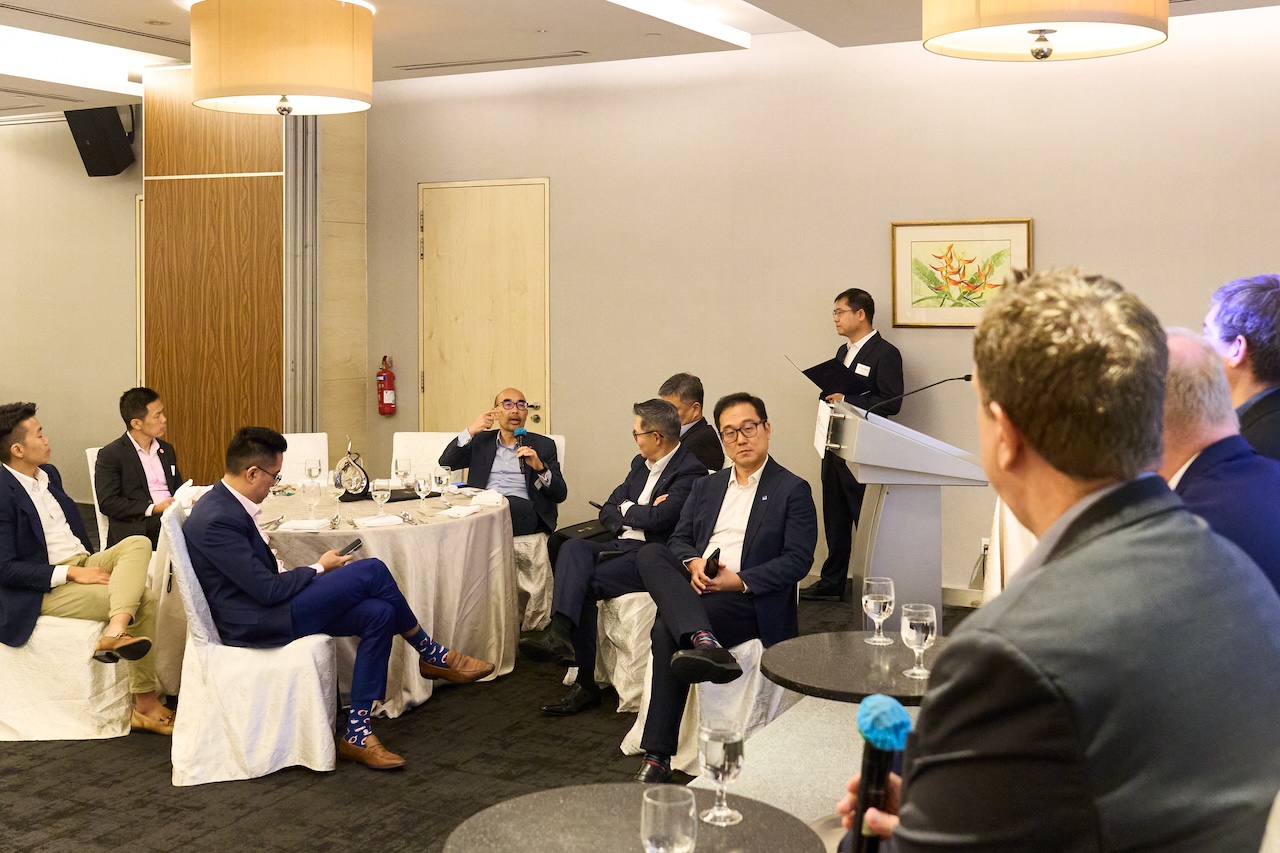
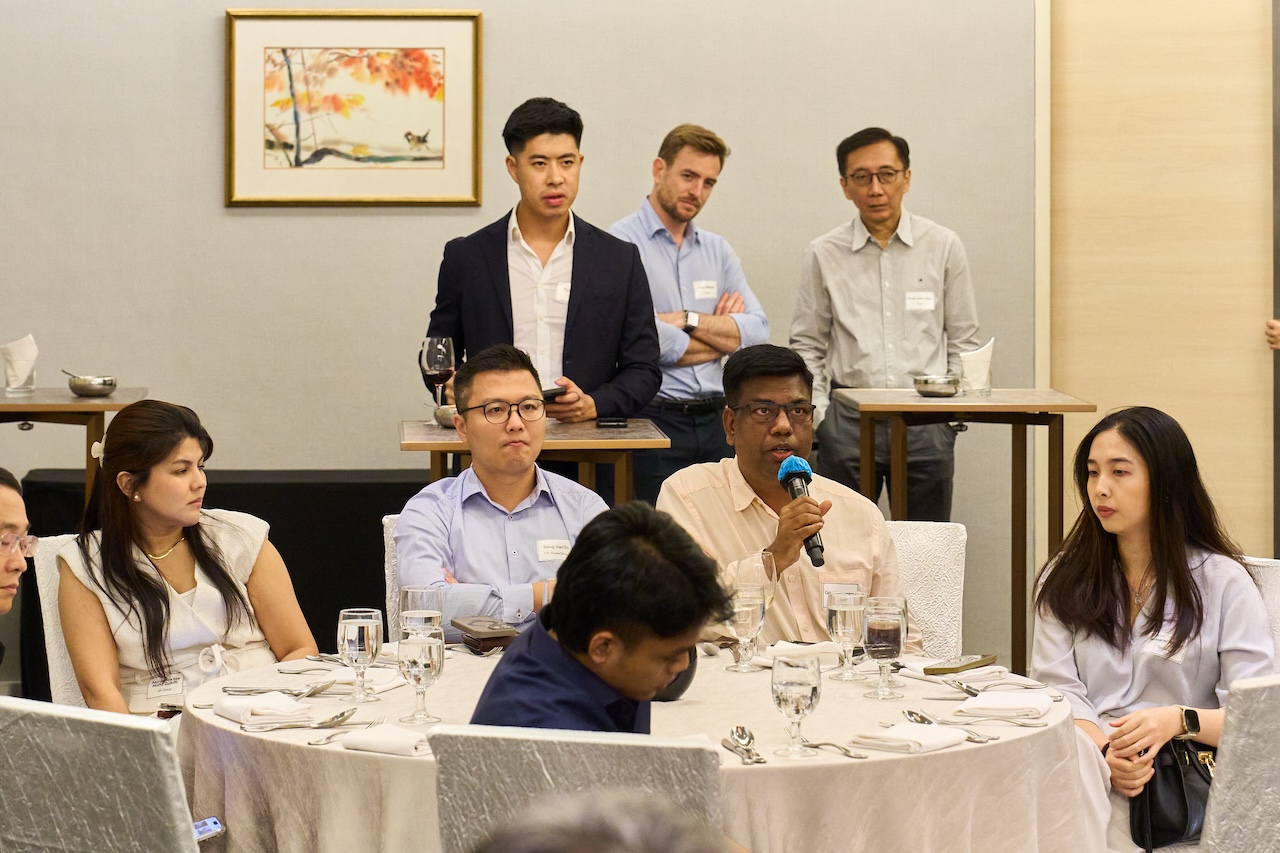
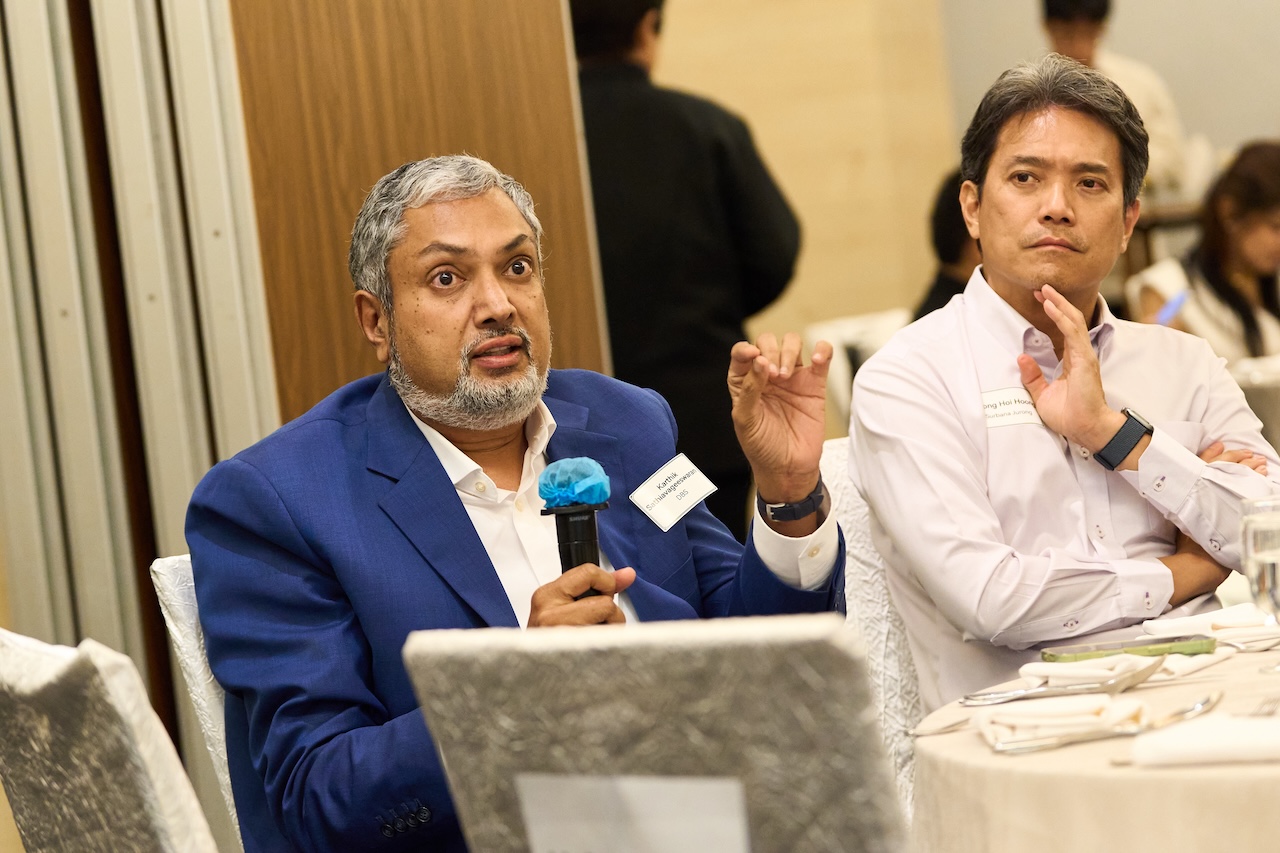
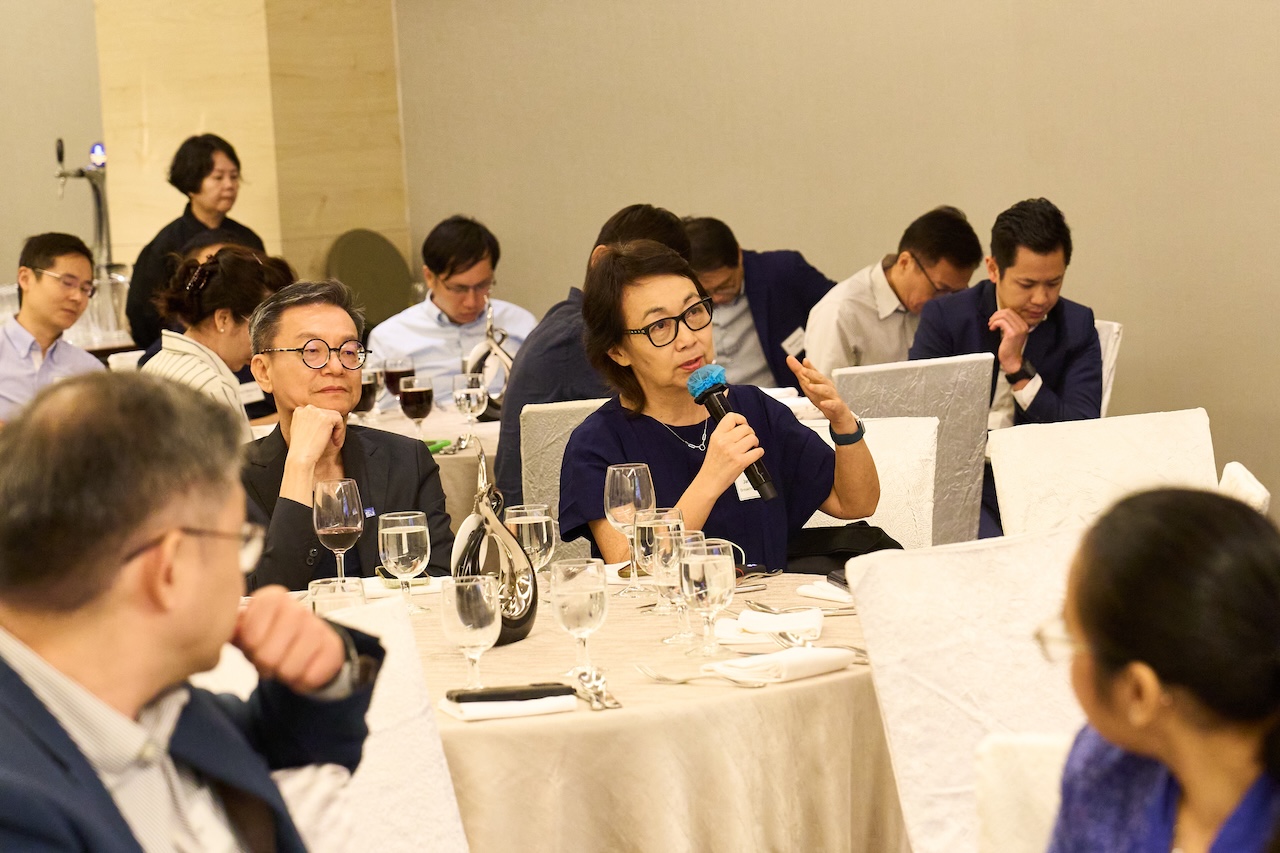
The discussion concluded with an interactive audience Q&A session, where participants raised thought-provoking questions on topics including the implications of AI for future energy demand, regional approaches to decarbonisation, the role of biomass in the low-carbon transition, and how emerging technologies can be successfully commercialised and adopted at scale. The lively exchange reflected the shared commitment of academia, industry and government to tackling real-world decarbonisation challenges through open dialogue and collaboration.
Drawing on experiences from around the world, the panel reinforced that achieving meaningful decarbonisation will require not only scientific breakthroughs, but also strong partnerships across the research, industry and policy communities to accelerate innovation and deployment at scale.
From left: Prof Yan Ning, Director of NUS CHCI; Prof Thomas Jaramillo, Stanford University; Mr Bernd Heid, McKinsey & Company; and Dr David Danielson, Breakthrough Energy.
The audience engaged in a lively Q&A session with the panellists.
Looking Ahead
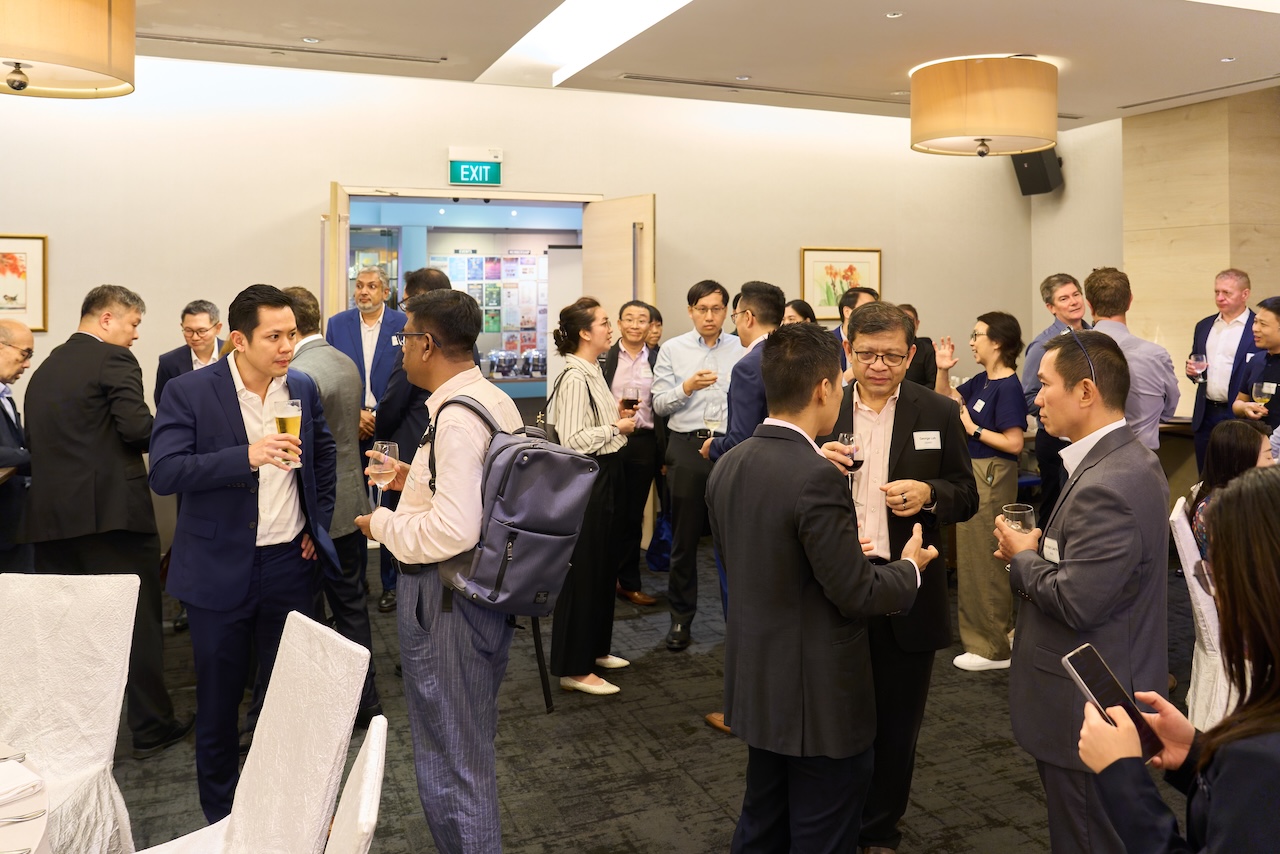
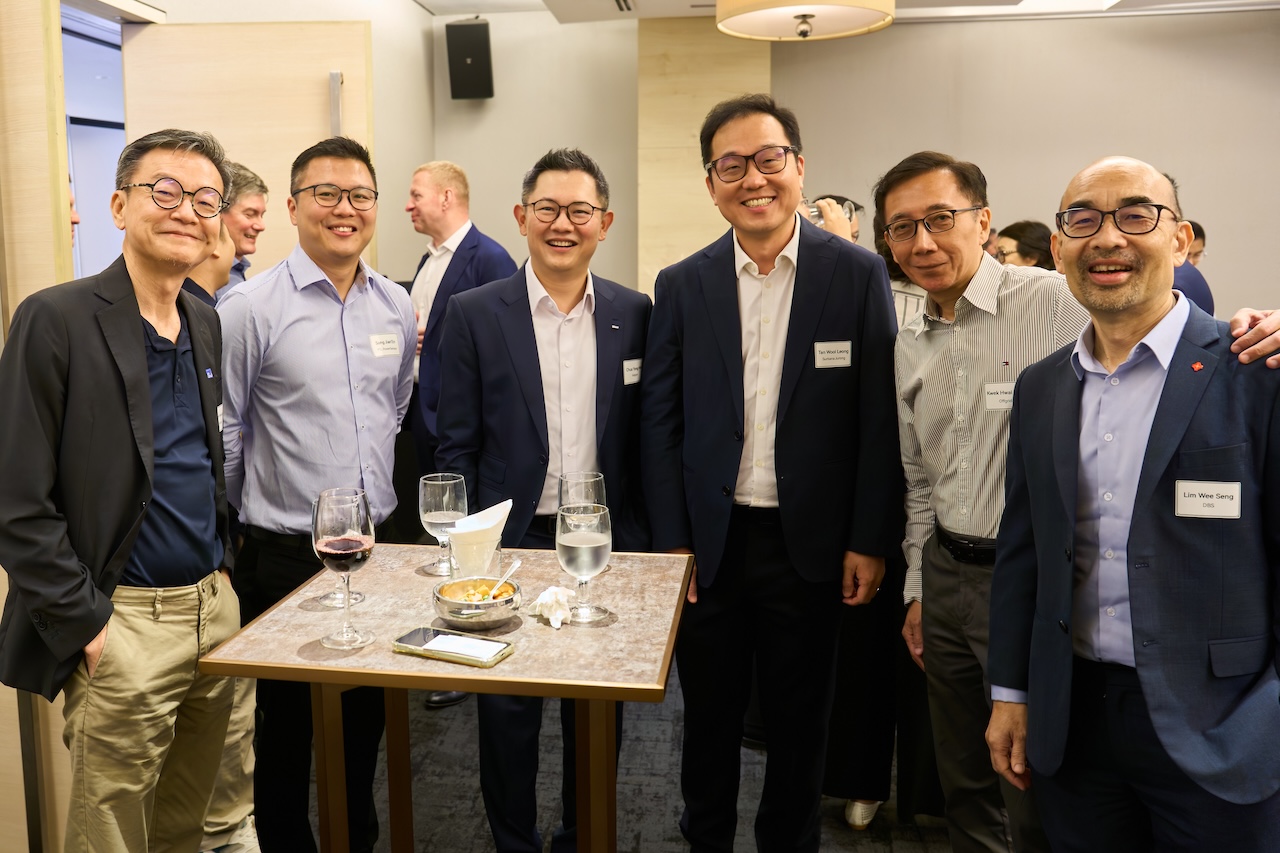
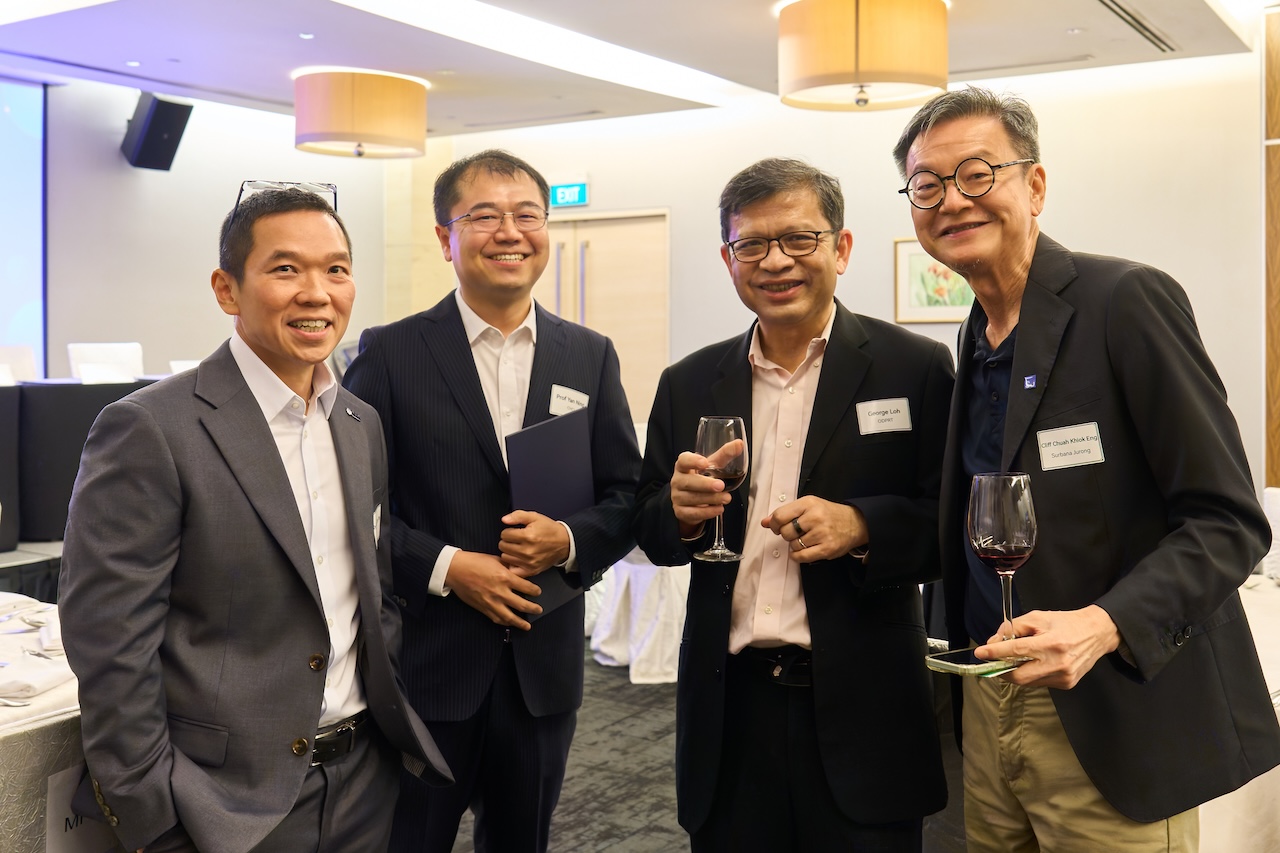
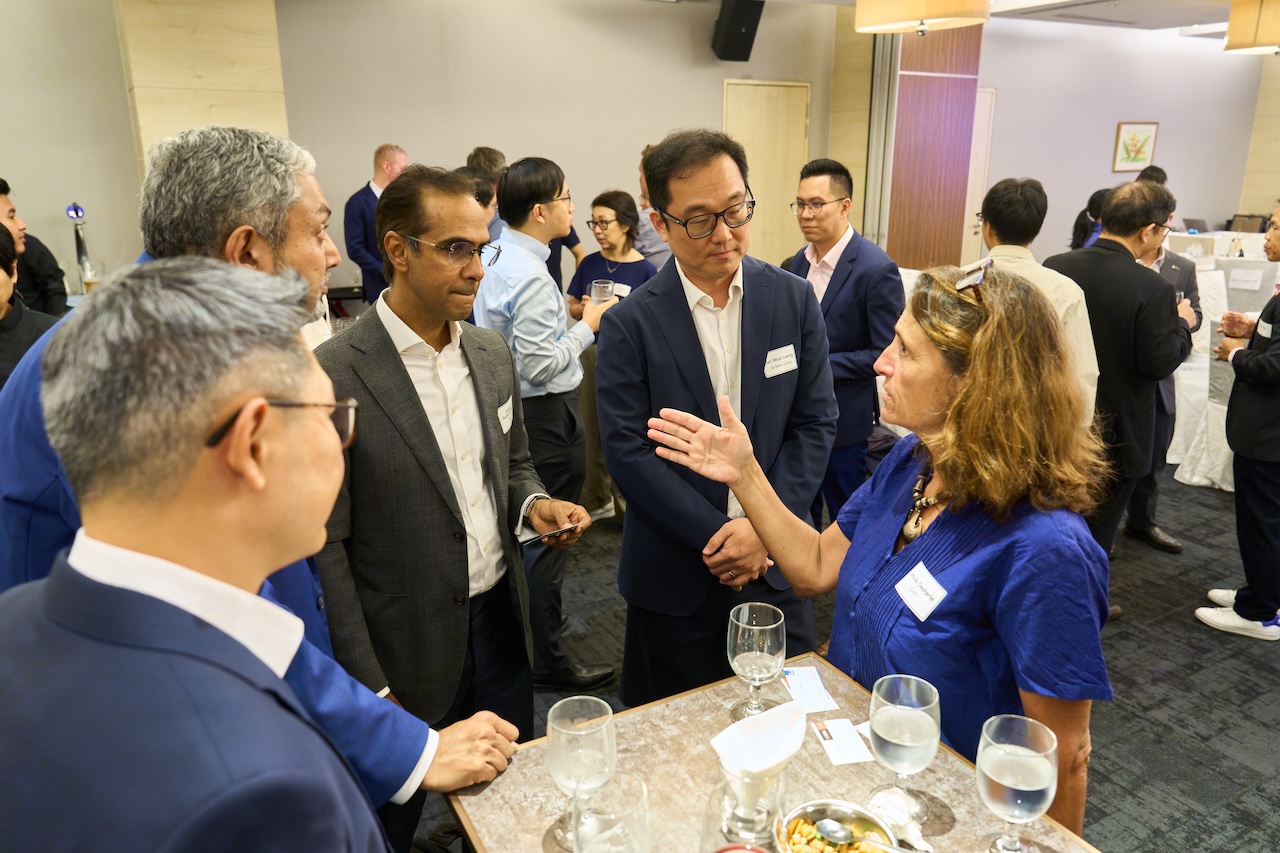
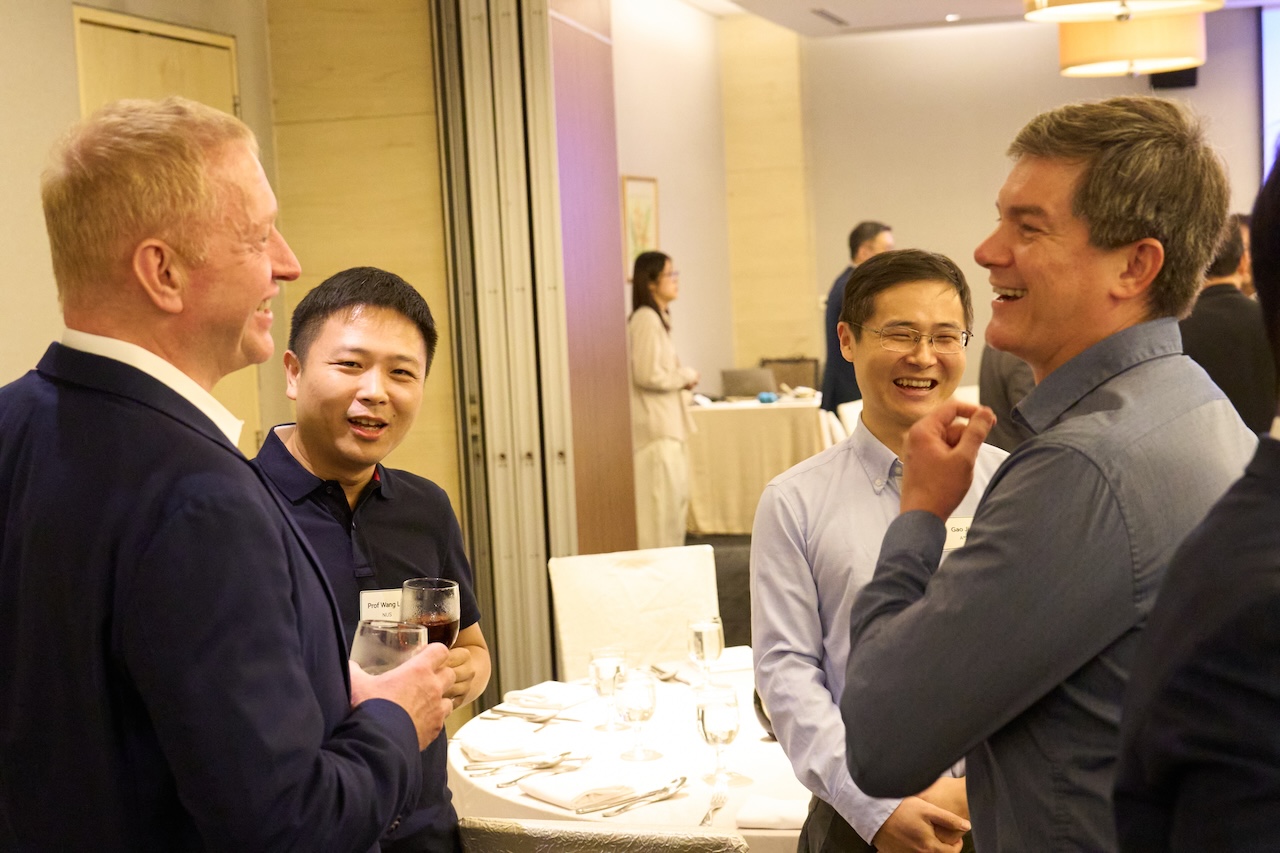
The formal programme concluded with a networking dinner and reception, where researchers, industry leaders, government representatives and partners continued conversations sparked throughout the evening and explored new opportunities for collaboration.
The inaugural Industry Day marked the beginning of an exciting new chapter for CHCI. Building on the momentum of the event, the Centre looks forward to strengthening collaborations across academia, industry and government, advancing hydrogen and carbon innovations, and working together with partners to accelerate the transition towards a more sustainable, low-carbon future.
Guests networking and exchanging ideas during the reception.